

Brand Strategy
18 Minute

Rebrand is rarely about aesthetics. It’s almost always about identity — and the cost of figuring that out late.
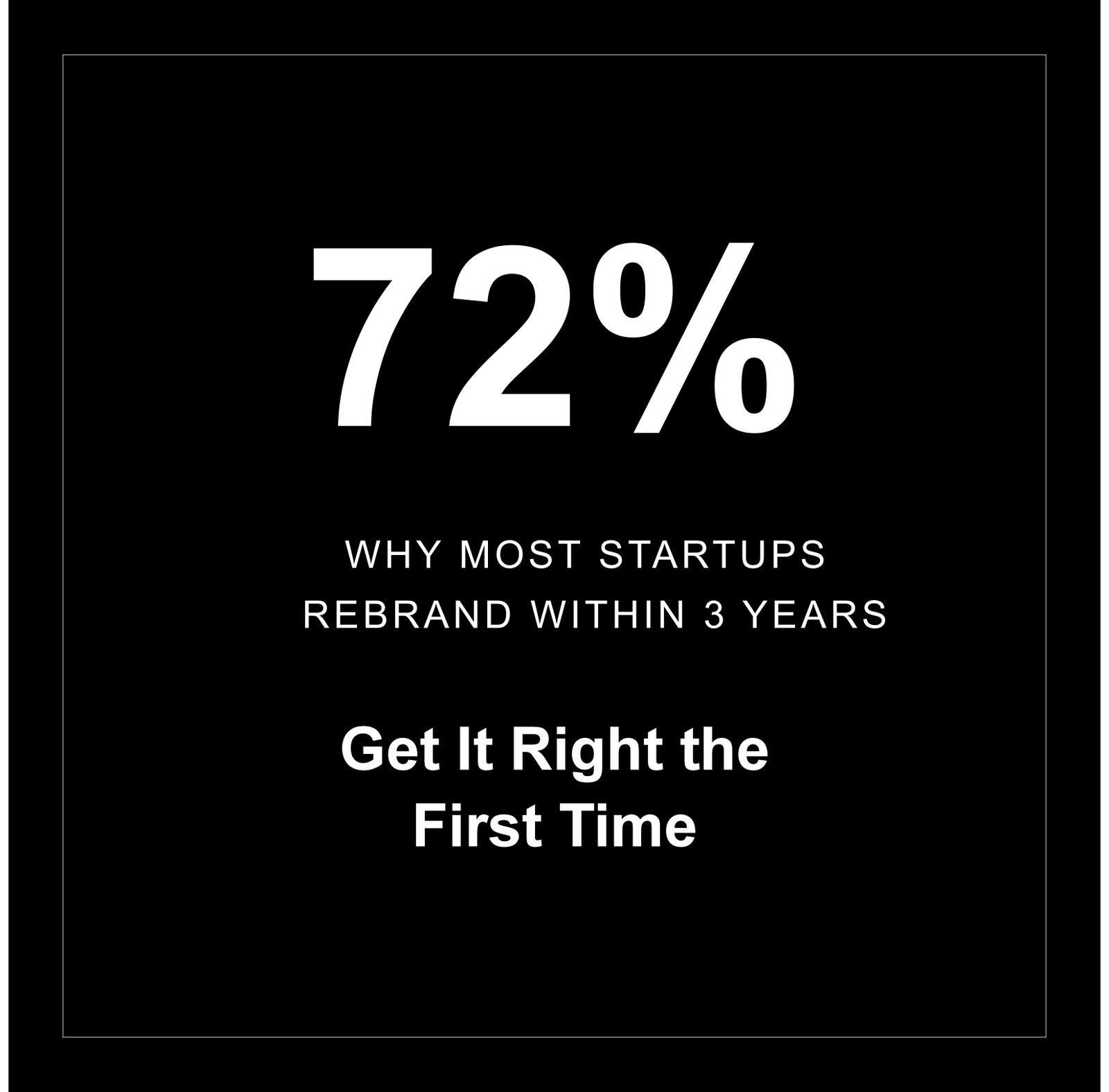
Here’s a number nobody puts in their pitch deck: 72% of startups significantly change their brand within the first three years of operation. New logo. New name. New positioning. Sometimes all three at once. And almost every time, the founder says the same thing — “We’ve grown. We need to evolve.”
That sounds reasonable. Growth should shape a brand. But in most cases, the “growth” they’re describing isn’t the company growing out of its brand. It’s the company finally understanding what its brand was supposed to be in the first place.
That distinction is everything. And it’s the gap that costs founders millions in wasted design fees, confused customers, and delayed market trust.
72% of startups rebrand within 3 years
$250K+: average cost of a mid-stage rebrand
18 months: average time lost rebuilding brand equity
The rebrand cycle is predictable. And preventable. But first you need to understand the real reasons startups end up here.
Reason 01
They designed a logo before they had a strategy.
This is the most common mistake in the startup world. Founders move fast — they have a product, they need a visual identity, so they commission a designer (or use AI) to produce a logo. The result looks clean. Maybe even beautiful. But there’s no strategic foundation underneath it. No defined position. No articulated audience. No reason the brand exists beyond “we needed something.” I’ve encountered founders who say stuff like “We just need a logo” and from a strategy point of few, that’s a sign that a founder lacks profund knowledge of brand fundamentals.
Reason 02
They confused their product with their brand.
Your product is what you sell. Your brand is why people buy it — and more importantly, why they stay loyal, refer others, and pay a premium. Startups often build their brand around product features that change with every sprint cycle. When the product evolves (and it will), the brand collapses with it. A well-built brand outlasts any specific product version.
Reason 03
They built for their first customer, not their ideal one.
Early startups brand for whoever will say yes first. That’s survival instinct. But when the business matures and targets a different segment — enterprise buyers, a new geography, a premium tier — the existing brand sends the wrong signal. It was never built for where you’re going. It was built for where you started.
Reason 04
They followed trends, not truth.
The all-lowercase wordmark. The sans-serif everything. The “we’re like Airbnb but for X” positioning. Trend-driven branding ages fast — and the moment a startup’s aesthetic starts to look dated, the whole brand feels untrustworthy. Trends are context. Brand truth is timeless.
You don’t need to be perfect on day one. But you do need to be intentional. Here is the framework we use at Brandroom for startups building their brand foundation from scratch.
Stripe is often cited as a design-forward company. But what’s less often discussed is how little their core brand has actually changed since launch. Same positioning. Same tone. Same clarity of purpose. Their visual identity has evolved — but the brand itself never needed a rebrand because it was built on a foundation that was true from the beginning.
That’s the goal. Not a logo that lasts forever. A brand truth that never needs replacing.
If you’re a founder in the early stages, the most valuable thing you can do right now is not find a better designer. It’s to get brutally clear on why your company exists, who it exists for, and what it stands for — before you commission a single pixel.
Do that, and you won’t be in the 72%.
“Your product is what you sell. Your brand is why people buy it — and more importantly, why they stay.”
Need a brand foundation built to last?
CJ and his team at Brandroom works with startups at every stage to build positioning, messaging, and visual identity that doesn’t need to be reinvented every two years.